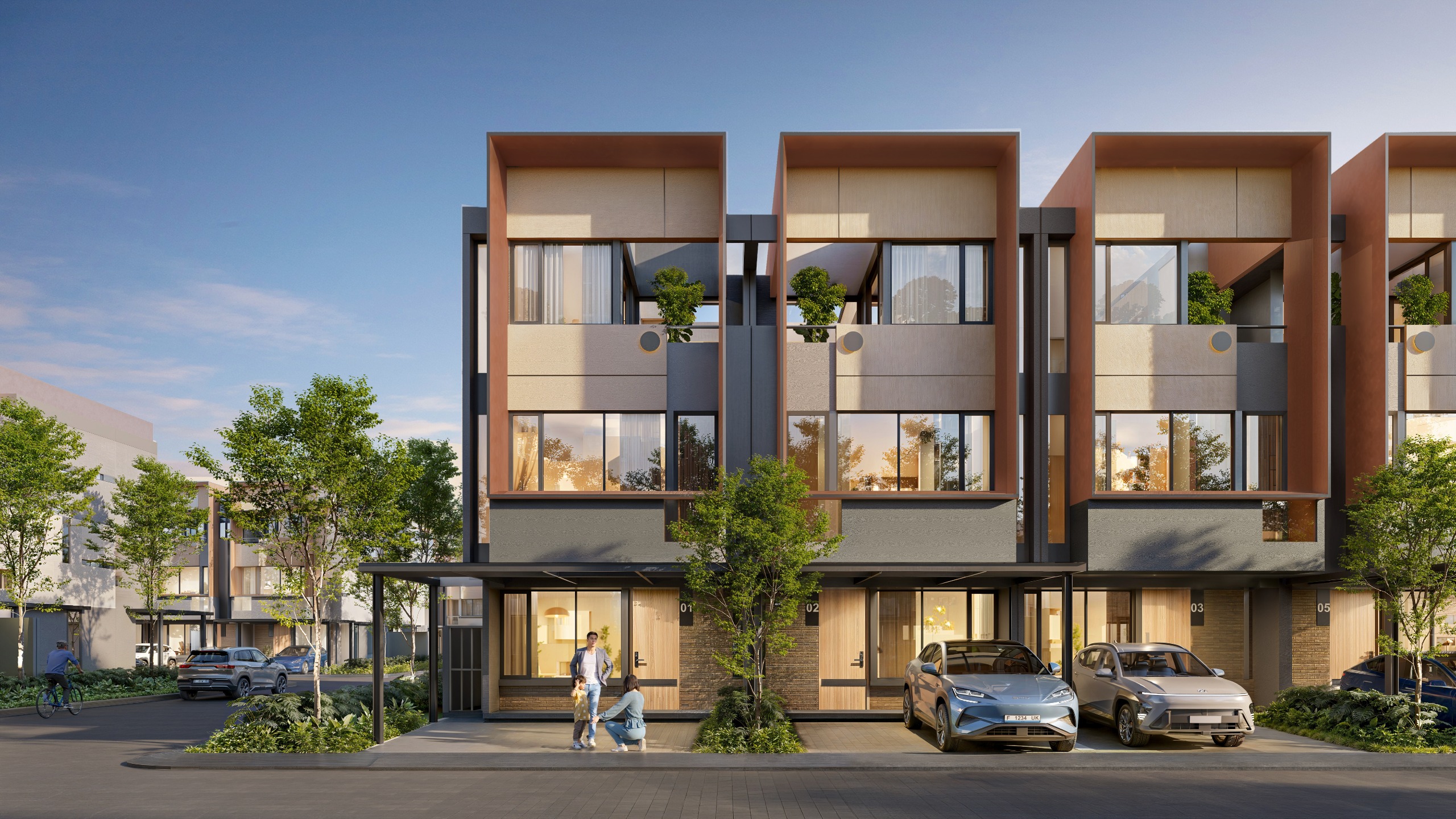
Architectural Visualization for Developers: Why Pre-Sales Should Start Before Construction
Every property developer wants the same thing: a successful project with strong sales from the very beginning.
Yet many marketing strategies still follow an outdated sequence. The project is designed, construction begins, the sales gallery opens, and only then does the marketing campaign start. On paper, this process makes sense.
In reality, it often delays the most important part—building interest.
Today's buyers don't wait for a completed building before making a decision. They start evaluating projects long before construction is finished. What they need is not a physical building, but a clear vision of what that building will become.
This is where architectural visualization (Archviz) becomes more than a design deliverable. It becomes one of the most valuable marketing assets a developer can invest in. Related Insight: Explore more perspectives on architectural storytelling and visualization in the Svein News section. (Insert internal link to a relevant Svein article here.)
Buyers Don't Buy Drawings. They Buy a Vision.
Architects understand floor plans.
Engineers understand technical drawings.
Developers understand project data.
Buyers usually don't.
A floor plan explains dimensions, but it doesn't show how natural light fills the living room. A site plan explains the layout, but it doesn't communicate the atmosphere of the neighborhood.
Technical drawings answer practical questions, but they rarely create emotional connections. When people buy property, they are not only purchasing square meters. They are buying a future lifestyle.
Marketing Should Begin When the Design Is Ready
One of the biggest misconceptions in property development is that marketing starts with construction.
In fact, marketing should begin as soon as the design is ready.
By creating high-quality architectural visualizations early, developers can launch digital campaigns, introduce the project to investors, and begin collecting qualified leads months before construction reaches the site.
Instead of waiting for something to photograph, developers already have compelling visual assets that communicate the project's value.
This shortens the gap between design and sales while creating momentum long before the official launch.
Archviz Is More Than Beautiful Images
Many people still think architectural visualization is simply about making buildings look attractive. That perspective overlooks its true purpose.
Archviz is a communication tool.
It translates architectural ideas into visuals that everyone can understand, regardless of their technical background.
Rather than asking buyers to imagine the finished project, developers can present realistic environments, materials, lighting, landscaping, and everyday experiences through carefully crafted renderings.
The result is greater clarity, stronger emotional engagement, and increased confidence in the project.
Better Visuals Create Better Marketing
Every marketing campaign depends on content.
Whether a developer is running social media campaigns, Meta Ads, Google Ads, or presenting a project to investors, visual content is often the first thing people notice.
Strong architectural visualization helps attract attention, improve engagement, and create a more professional brand image.
More importantly, the same visualization assets can be reused across multiple marketing channels, including:
- Websites and landing pages
- Social media campaigns
- Digital advertising
- Sales presentations
- Brochures
- Billboards
- Investor pitch decks
- Email marketing
Instead of producing separate assets for every campaign, developers can build a consistent visual identity from the beginning.
The ability to visualize that future often determines whether a buyer becomes interested—or moves on to another project.
Buyers Need Confidence Before They Make a Decision
Buying property is one of the biggest financial commitments most people will ever make.
Confidence plays a significant role in that decision.
Specifications and floor plans provide information, but visualization creates understanding.
A realistic rendering helps buyers imagine themselves living in the space. They can experience the atmosphere, understand the scale, and appreciate the design before construction is complete.
That emotional connection often becomes the foundation of trust.
And trust is what turns interest into inquiries—and inquiries into sales.
Related Insight: Learn how visualization improves communication between architects, developers, and clients. (Insert internal link to another relevant Svein article here.)
Archviz Should Be Part of the Marketing Strategy—Not an Afterthought
Architectural visualization is often treated as the final step before launching a campaign.
In reality, it should be considered from the beginning.
Every rendering created during the design phase becomes a long-term marketing asset. It supports advertising, presentations, branding, investor communication, and sales throughout the project's lifecycle.
Developers who integrate Archviz into their marketing strategy early are able to introduce their projects sooner, communicate more effectively, and build market confidence before competitors enter the conversation.
Final Thoughts
Construction may take months or even years.
Building interest doesn't have to.
The projects that gain attention early are rarely the ones with the tallest buildings or the biggest budgets. More often, they are the projects that communicate their vision clearly from the start. Architectural visualization makes future spaces tangible before they exist.
For developers, that means marketing can begin earlier, conversations become more meaningful, and buyers gain the confidence they need to take the next step. The building may still be on paper.
But if people can already picture themselves living there, the project has already started selling.