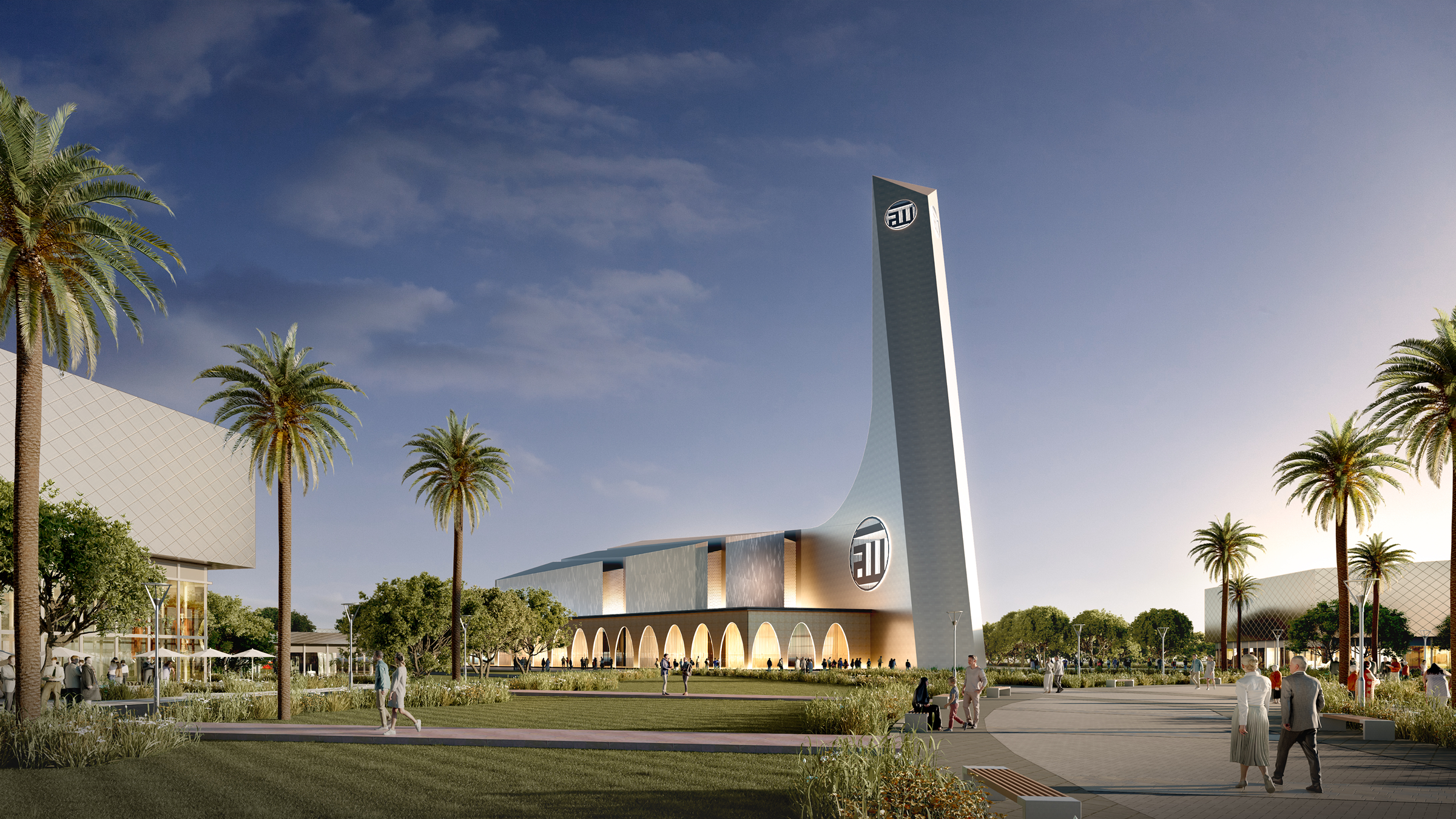
5 Ways Architectural Visualization Helps Sell Property Before Groundbreaking
5 Ways Architectural Visualization Helps Sell Property Before Groundbreaking
Many people assume that property sales begin when construction starts.
In reality, successful projects often begin selling much earlier.
Long before the first concrete is poured, developers are already introducing their vision to investors, attracting buyers, and building market awareness. The challenge is simple: how do you sell something that doesn't physically exist yet?
The answer lies in architectural visualization.
More than just creating realistic images, architectural visualization helps transform ideas into experiences. It allows people to understand, trust, and connect with a project before construction even begins.
Here are five ways Archviz helps developers accelerate property sales before groundbreaking.
1. It Turns an Abstract Concept Into Something Buyers Can Understand
At the early stage of development, most projects only exist as drawings, floor plans, and technical documents.
While these materials are essential for architects and engineers, they rarely communicate effectively with potential buyers.
Most buyers cannot visualize a building simply by looking at a blueprint.
Architectural visualization bridges that gap by translating technical information into realistic, easy-to-understand imagery. Instead of imagining what a project might become, buyers can immediately see the architecture, materials, landscaping, and overall atmosphere.
The clearer the vision, the easier it becomes for buyers to engage with the project.
2. It Builds Trust Before Construction Begins
Buying property always involves uncertainty.
When a project hasn't been built, buyers naturally ask questions. Will it look like the brochure? Will the materials match the promise? Will the surrounding environment feel the way it's being described?
Professional architectural visualization helps answer these questions before construction starts.
Detailed and accurate renderings communicate that the project has been carefully planned. They demonstrate consistency in design and help buyers feel more confident about the developer's vision.
Trust is rarely built through specifications alone.
It is built by helping people see what they are investing in.
3. It Gives Marketing a Head Start
One of the biggest advantages of architectural visualization is timing.
Developers don't need to wait for progress on site before launching their marketing campaign.
As soon as the design reaches a mature stage, visual assets are ready to support marketing activities.
These renderings can be used across multiple channels, including:
- Project websites
- Landing pages
- Social media
- Digital advertising
- Brochures
- Sales presentations
- Investor decks
- Outdoor billboards
Instead of spending months waiting for construction photos, developers can start building awareness immediately.
By the time groundbreaking takes place, potential buyers are already familiar with the project.
4. It Creates Stronger Emotional Connections
People don't choose a property because of numbers alone. They choose places where they can imagine building their lives.
A floor plan may explain the size of a living room.
A rendering shows how sunlight enters that room on a quiet afternoon.
A specification sheet lists landscape materials.
A visualization shows children playing in the park, neighbors gathering outdoors, and the atmosphere of the community.
This emotional connection is difficult to achieve through technical documents. Visualization allows buyers to experience a lifestyle before it becomes reality.
And emotional engagement often plays a significant role in purchasing decisions.
5. It Supports Every Stage of the Sales Journey
Architectural visualization is often associated with advertising.
In reality, its value extends far beyond the first marketing campaign. The same visual assets continue supporting the project throughout the sales process. Marketing teams use them to attract attention. Sales teams use them during presentations. Investors use them to evaluate opportunities. Buyers revisit them while comparing different projects.
Even after construction begins, visualization remains a valuable communication tool for project updates, promotional materials, and branding.
Rather than being a one-time deliverable, Archviz becomes a long-term business asset.
Architectural Visualization Is an Investment in Communication
Some developers still see architectural visualization as an additional project expense.
A better way to see it is as an investment in communication.The earlier people understand a p oject, the earlier they can trust it.
The earlier they trust it, the earlier meaningful conversations begin. Architecture is built with concrete, steel, and glass.
But successful developments are often built with communication first.
Architectural visualization helps developers communicate ideas clearly, inspire confidence, and create demand before the construction site even comes to life.
In an increasingly competitive property market, waiting for the building to speak for itself may no longer be enough.
The projects that stand out are the ones that tell their story before the first brick is laid.