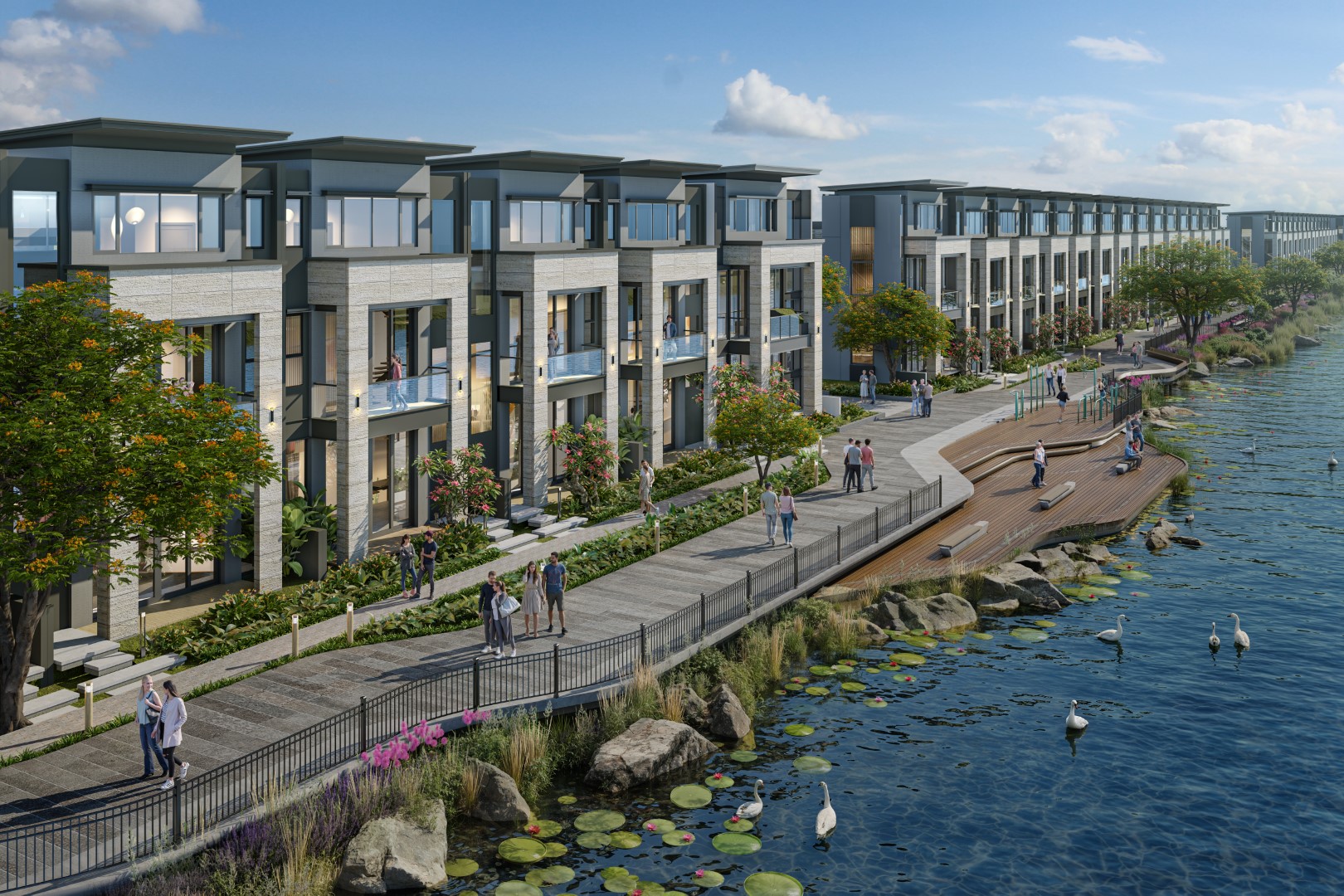
From Blueprint to Buyer: How Architectural Visualization Bridges Design and Sales
From Blueprint to Buyer: How Architectural Visualization Bridges Design and Sales
A successful property project is never defined by architecture alone. Great design certainly matters, but so does the ability to communicate that design to the people it is intended for. No matter how innovative a project may be, it becomes difficult to sell when buyers cannot clearly understand what they are looking at. This communication gap is one of the biggest challenges developers face during the early stages of a project, long before construction begins.
While architects see a complete vision through technical drawings and floor plans, most buyers do not. Developers understand the business potential behind the project, and sales teams understand the product they are selling. Buyers, however, are often asked to imagine an entire future from a collection of lines, dimensions, and symbols. That expectation creates uncertainty, and uncertainty rarely leads to confident purchasing decisions.
Architectural visualization bridges this gap. It transforms technical information into realistic, engaging visuals that anyone can understand, allowing architecture to become a story rather than simply a specification.
A Blueprint Is Designed to Build, Not to Sell
Blueprints are created to guide construction. They communicate dimensions, materials, structural systems, and technical details with remarkable precision. For architects, engineers, and contractors, these drawings are essential because they provide the language needed to build accurately.
For buyers, however, that language often feels unfamiliar. A floor plan can explain where a bedroom is located, but it cannot communicate how natural light fills the room in the morning. It can describe the relationship between spaces, but not the atmosphere those spaces create. While technical drawings answer practical questions, they rarely inspire emotional connections.
This is why relying solely on blueprints during the marketing process often creates a disconnect. Buyers rarely purchase what they cannot visualize, and they are unlikely to become emotionally invested in a project they struggle to understand.
Visualization Translates Technical Ideas into Human Experiences
Architectural visualization does much more than produce beautiful images. Its true value lies in making architecture accessible to everyone, regardless of their technical background.
Instead of interpreting construction drawings, buyers can immediately experience realistic spaces, material textures, lighting conditions, landscaping, and the overall character of the project. A rendering allows people to imagine themselves inside the development rather than trying to decode technical information.
In many ways, visualization removes the need for explanation. Rather than asking buyers to imagine what the project might become, developers can simply show them.
Better Communication Leads to Better Marketing
Every successful marketing campaign starts with a clear and compelling story. For property developers, that story is the future of the project itself. The challenge is presenting that future in a way that feels tangible long before construction is complete.
Architectural visualization provides the visual foundation for that story. The same renderings can be used across websites, social media, digital advertising, brochures, sales presentations, investor meetings, and outdoor campaigns. Instead of creating different messages for different platforms, developers communicate one consistent vision across every touchpoint.
Consistency not only strengthens branding but also builds trust. The more clearly a project is presented, the easier it becomes for potential buyers to remember and understand it.
Helping Sales Teams Sell with Confidence
Selling an unbuilt project has always required a certain level of imagination from buyers. Traditionally, sales teams rely on floor plans, mood boards, and verbal descriptions to explain the vision. While these tools provide useful information, they often leave too much room for interpretation.
Architectural visualization changes the conversation entirely. Instead of describing what the project could look like, sales representatives can present realistic visuals that immediately answer many of the buyer's questions. Discussions become less focused on interpreting drawings and more focused on how people will experience the finished environment.
That shift creates more engaging conversations and allows sales teams to build confidence much earlier in the decision-making process.
People Buy Experiences Before They Buy Properties
Buying a property is both a financial and emotional decision. While buyers compare prices, locations, and specifications, they are also imagining how life might feel within that future space.
They picture spending time with family in the living room, enjoying morning coffee on a balcony, or watching their children play in a shared garden. These moments are difficult to communicate through technical drawings alone because they are emotional experiences rather than measurable data.
Architectural visualization makes those experiences visible. It helps buyers connect with a project on a human level, turning abstract concepts into places they can genuinely imagine calling home.
A Shared Vision Across Every Stakeholder
Large-scale developments involve far more than architects and buyers. Developers, investors, marketing teams, contractors, consultants, and sales representatives all contribute to bringing a project to life. Each group approaches the project from a different perspective and often communicates using different priorities.
Architectural visualization creates a shared visual language that aligns everyone around the same vision. Rather than interpreting technical drawings individually, every stakeholder works toward a common understanding of the final outcome. This improves communication, reduces misunderstandings, and creates greater consistency throughout the project.
From Design Deliverable to Business Strategy
Many developers still consider architectural visualization a final deliverable produced shortly before marketing begins. In reality, it offers far greater value when integrated into the project from the very beginning.
Visualization supports marketing before launch, strengthens investor presentations, improves internal communication, and provides sales teams with effective tools throughout the entire development process. Every rendering becomes a long-term business asset rather than a one-time design output.
When visualization is viewed as part of the overall business strategy instead of simply a creative service, every department benefits. Design communicates more clearly, marketing becomes more effective, and sales teams gain stronger tools to build trust with potential buyers.
Final Thoughts
Every property project begins with a blueprint, but successful developments are built on understanding. Technical drawings tell builders how to construct a building, while architectural visualization helps buyers understand why that building matters.
The journey from blueprint to buyer is not simply about moving from design to construction. It is about transforming complex architectural ideas into experiences that people can see, understand, and believe in.
Because in property development, people rarely buy the building first.
They buy the vision behind it.